
In the bustling world of culinary arts, maintaining quality and safety in food preparation is paramount. One crucial aspect of this is ensuring that frying oil remains fresh and safe for cooking. Chefs across the globe are increasingly focusing on training their staff to monitor signs of deteriorating frying oil, as it plays a significant role in both the taste and safety of fried foods.
Frying oil can degrade over time due to various factors such as temperature fluctuations, exposure to air, and repeated use. As oil breaks down, it not only affects the flavor profile of food but also poses potential health risks. Therefore, understanding how to identify when Bad frying oil signs is essential for any kitchen operation aiming for excellence.
Chefs are implementing comprehensive training programs designed to equip their staff with the necessary skills to recognize these warning signs. These programs often begin with educating employees about the science behind frying oils—how they react under heat and what causes them to break down. By understanding these fundamentals, kitchen staff can better appreciate why monitoring oil quality is critical.
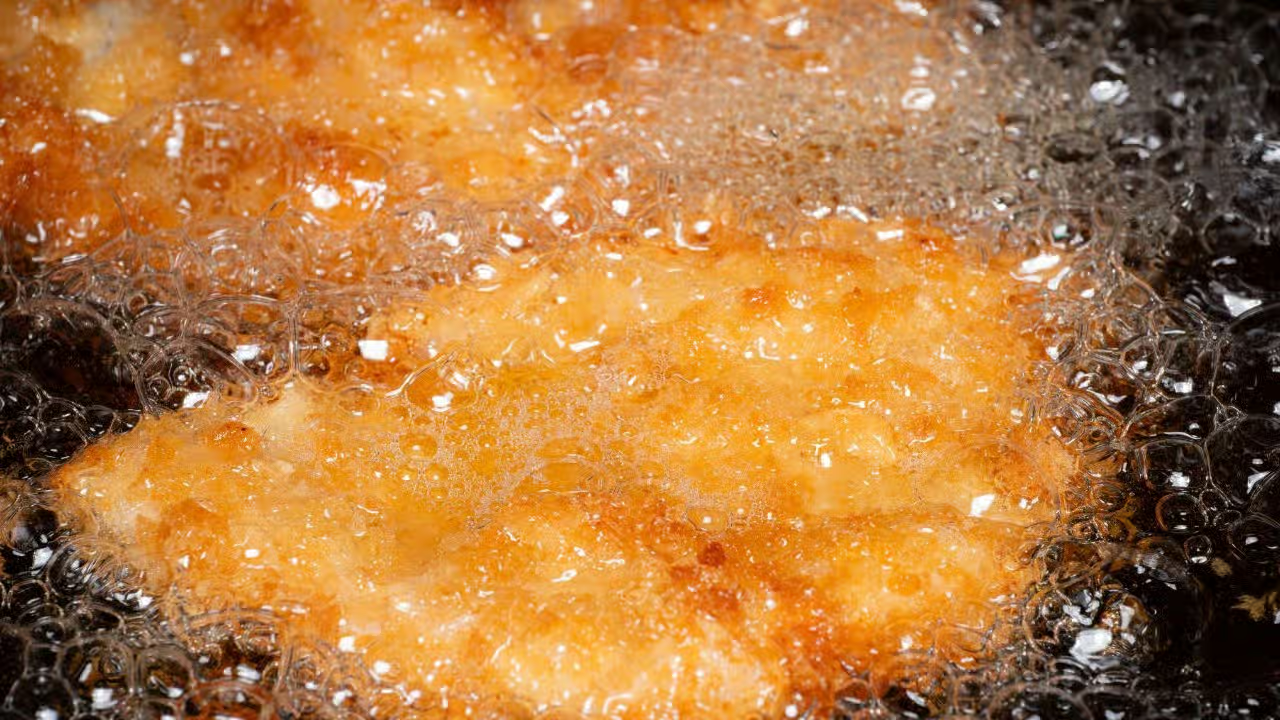
A key component of this training involves teaching staff how to visually inspect frying oil regularly. Fresh oil typically has a light color; however, as it degrades, it darkens significantly. Staff members are trained to notice changes in color alongside other visual indicators such as increased viscosity or foaming on the surface—both signs that suggest degradation.
Beyond visual cues, chefs emphasize olfactory inspection as well. Bad frying oil emits an unpleasant odor that differs markedly from its fresh state. Trainees learn how these scent changes correlate with chemical reactions occurring within degrading oils—a vital skill that helps prevent subpar dishes from reaching customers’ plates.
Additionally, some kitchens incorporate technology into their monitoring processes by using tools like test strips or electronic testers that measure specific compounds indicative of poor-quality oil. While technological solutions offer precision beyond sensory evaluation alone, chefs stress combining these methods with human observation for optimal results.
Regularly scheduled checks form part of daily routines where team members work collaboratively under chef supervision until they develop confidence in making judgment calls independently regarding when it’s time for an oil change.
Ultimately though technical knowledge forms a foundation; fostering vigilance among teams creates lasting impact: cultivating environments where everyone shares responsibility towards maintaining high standards becomes integral culture rather than mere protocol adherence alone thereby ensuring consistently excellent dining experiences while safeguarding public health alike through proactive management strategies around one simple yet complex ingredient—the humble fryer’s lifeblood—cooking oils themselves!